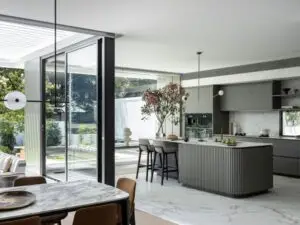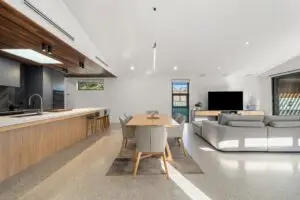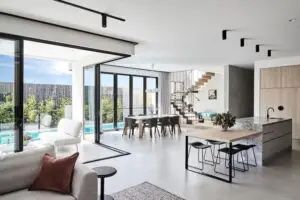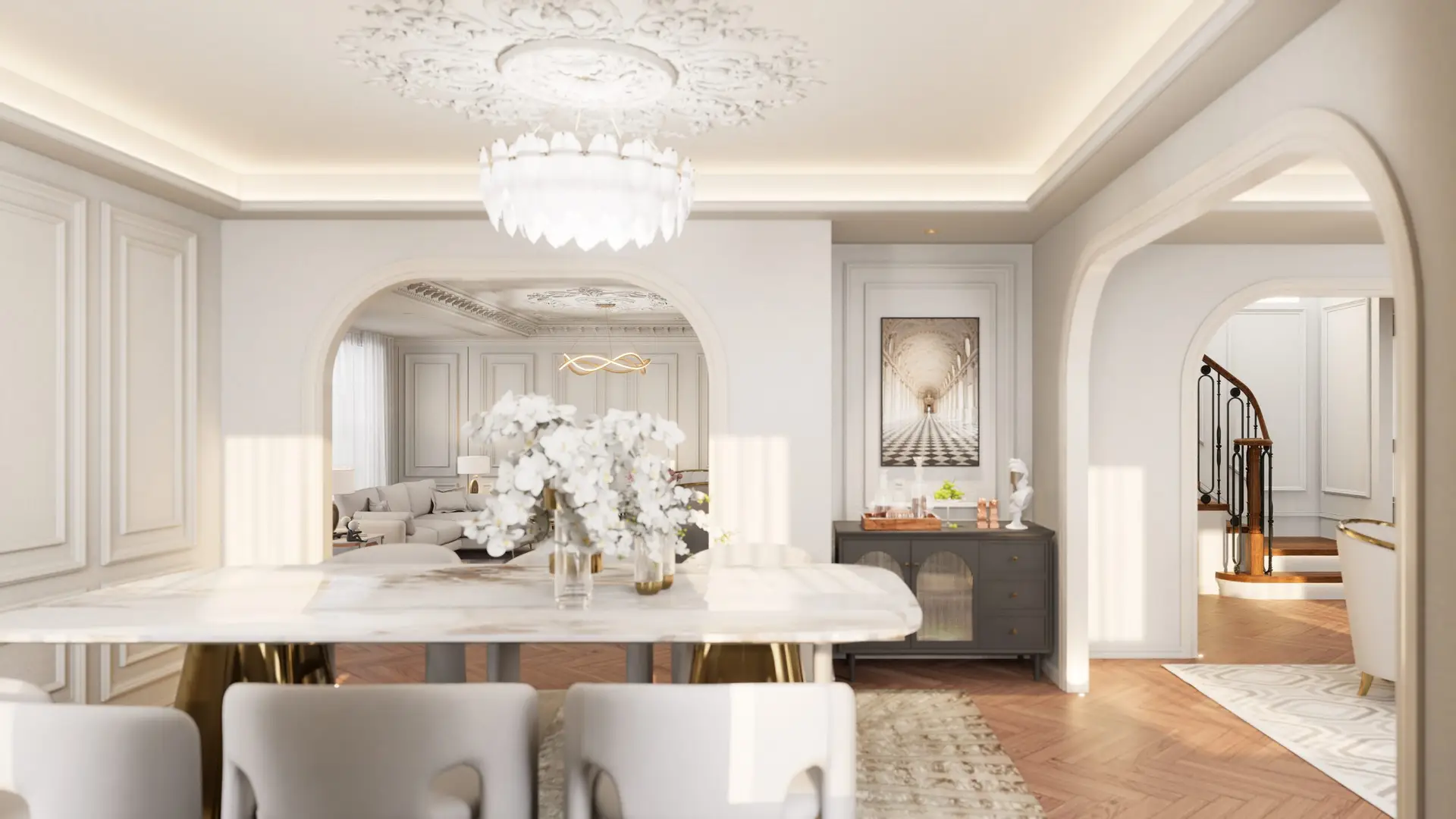
Sustainable Renovation and Home Extension Design in Sydney
Renovating your home should be an exciting opportunity to create a more functional, comfortable, and valuable living environment. However, many Sydney homeowners find the process challenging due to budget pressures, construction delays, and the complexity of planning and decision-making.
At Sustainova Designs, we specialise in high-quality home renovations, alterations and additions, helping Sydney homeowners create beautiful and practical living environments.
Drawing on more than 15 years of experience in residential design, council approvals, and construction documentation across Sydney, we understand the factors that contribute to successful projects and the common pitfalls that can lead to unnecessary costs and delays.
Here are six proven strategies to help you plan and deliver a renovation that is efficient, sustainable, and stress-free.
1. Choose the Right Team, Not the Lowest Quote
One of the most common mistakes homeowners make is selecting consultants or builders based purely on price.
In today’s Sydney construction market, a quote that appears significantly lower than others may indicate incomplete scope, underestimated costs, or future variations that emerge during construction.
Instead, focus on assembling a team with a proven history of collaboration. Strong relationships between designers, consultants, builders, and trades often result in:
- Better communication
- Faster problem solving
- Reduced construction delays
- Improved workmanship
- More accurate budgeting
A well-coordinated team becomes especially important when dealing with heritage properties, sloping sites, difficult access conditions, or complex council planning requirements.
Before committing to a builder, take the time to speak with previous clients about how challenges were managed during construction. A builder’s ability to communicate clearly, solve problems efficiently, and adapt to unexpected circumstances is often more valuable than achieving the lowest initial price.
Key Takeaway
The cheapest quote rarely delivers the best value. Invest in experienced professionals who communicate effectively, collaborate well, and have a proven track record of successful project delivery.
Building Design
Kitchen, Bathroom & Joinery Design
Interior Design
CDC Approval Assistance
2. Prioritise the Things You Cannot See
Most homeowners naturally focus on visible features such as kitchens, bathrooms, tapware, lighting, and finishes.
While these elements contribute to the final appearance, the most important investments are often hidden behind walls, ceilings, and floors.
When budgets become tight, we recommend applying value engineering to finishes rather than compromising structural or performance-related components.
Areas Worth Investing In
- Foundations and Structure
Proper structural design is critical, particularly on Sydney’s reactive clay soils or when extending older homes.
- Waterproofing
Poor waterproofing can result in costly repairs and ongoing maintenance issues. Bathrooms, balconies, and wet areas should never be compromised.
- Insulation
Quality insulation improves comfort, reduces energy consumption, and enhances overall building performance.
- Plumbing and Services
Upgrading plumbing and services during construction is significantly easier and more cost-effective than undertaking future rectification work.
- Termite Protection
Sydney remains a high-risk termite region. Effective termite management should form part of every renovation strategy.
Areas Where Savings May Be Possible
- High-quality porcelain tiles instead of natural stone
- Ready-made vanities instead of custom joinery
- Simplified paint selections
- Standard-sized windows where appropriate
- Key Takeaway
Invest in the building’s performance and longevity first. Finishes can always be upgraded later.
3. Make Selections Early to Protect Your Budget
Material shortages, shipping delays, and fluctuating supplier costs have become increasingly common in recent years.
Many homeowners underestimate how much financial risk is associated with delayed product selections.
Choosing major items early helps secure pricing and reduces the likelihood of expensive substitutions later in the project.
Items Best Selected Early
- Appliances
- Windows and doors
- Plumbing fixtures
- Tiles and flooring
- Lighting
- Joinery finishes
Early selections provide several advantages:
- Improved budget certainty
- Better construction scheduling
- Reduced lead-time delays
- Greater product availability
For larger renovations, we often encourage clients to finalise major selections months before construction begins.
- Key Takeaway
Early decisions help minimise cost escalation and keep projects moving smoothly.
4. Consider Moving Out During Major Renovations
Many homeowners assume remaining in the house during construction will save money. In reality, the opposite is often true for substantial renovations and extensions. For larger projects requiring council approval, early planning can significantly reduce delays.
Living within an active construction site creates additional challenges for
builders and trades, including:
- Restricted access
- Daily cleaning requirements
- Furniture protection
- Safety concerns
- Reduced productivity
In many cases, trades can complete work considerably faster when the
property is vacant.
For larger alterations and additions, temporary accommodation can provide:
- Faster project completion
- Reduced labour costs
- Better workmanship
- Less disruption to family life
- Improved health and safety
Perhaps most importantly, it allows homeowners to avoid months of dust,
noise, and inconvenience.
Key Takeaway
Temporary relocation may appear costly initially, but it can often improve
efficiency and reduce overall project stress.
5. Design for Sustainability and Long-Term Comfort
Sustainability is no longer just about environmental responsibility.
It also contributes directly to everyday comfort, lower running costs, and long-term property value.
Thoughtful design decisions can significantly improve a home’s thermal performance and energy efficiency.
Practical Sustainability Strategies
- Improve Thermal Mass
Materials such as polished concrete and tiled floors can absorb warmth during winter and release it gradually throughout the evening.
- Eliminate Draughts
Simple measures such as weather seals and proper window detailing can dramatically improve comfort and reduce energy consumption.
- Upgrade Lighting
Modern LED lighting uses substantially less energy and generates less heat than older halogen fittings.
- Choose Water-Efficient Fixtures
High-rated WELS fixtures reduce water usage without sacrificing performance.
- Optimise Natural Light and Ventilation
Good design can reduce dependence on artificial lighting and mechanical cooling throughout the year.
Benefits of Sustainable Design
- Lower energy bills
- Improved indoor comfort
- Enhanced resale value
- Reduced environmental impact
- Better compliance with modern building standards
Key Takeaway
Sustainability should be considered an investment rather than an optional upgrade.
6. Allow a Contingency for the Unexpected
Even the best-planned renovation can uncover unforeseen issues once demolition begins.
Common discoveries in Sydney homes include:
- Rising damp
- Structural deficiencies
- Outdated plumbing
- Electrical upgrades
- Termite damage
- Hidden site conditions
For this reason, we recommend allowing a contingency of approximately 15–20% within both the project budget and timeframe.
This contingency helps absorb unexpected costs without creating financial pressure or forcing compromises elsewhere in the project.
It also provides flexibility when homeowners choose to make improvements during construction.
Key Takeaway
A realistic contingency fund is one of the most effective tools for maintaining financial control throughout a renovation.
Creating a Renovation That Stands the Test of Time
A successful renovation is about much more than achieving an attractive result.
The most rewarding projects combine thoughtful design, practical construction knowledge, financial discipline, and sustainable building principles. By investing in the right team, prioritising building performance, making selections early, and planning realistically, homeowners can avoid many of the common pitfalls associated with residential construction.
At Sustainova Designs, we specialise in creating high-quality home renovations, additions, and bespoke residential designs across Sydney. Our integrated approach combines design excellence, construction expertise, and approval management to deliver homes that are functional, beautiful, and built for long-term enjoyment.
Whether you are planning a heritage renovation, first-floor addition, contemporary extension, or complete home transformation, careful planning today can help ensure a smoother and more rewarding journey tomorrow.
If you’re considering a renovation, extension, or first-floor addition in Sydney, our team can assist with everything from concept design and council approvals through to construction documentation and project management.